Chemical Composition (wt%)
| Item | Specification / Description |
|---|
| C | ≤0.08 |
| Si | ≤1.00 |
| Mn | ≤2.00 |
| P | ≤0.045 |
| S | ≤0.030 |
| Cr | 18.0~20.0 |
| Ni | 8.0~10.5 |
Standards
| Item | Specification / Description |
|---|
| Standard / designation | GB/T 3280 |
| Standard / designation | ASTM A240 |
| Standard / designation | JIS G4305 |
| Standard / designation | EN 10088-2 (1.4301 |
| Standard / designation | S30400) |
Mechanical Properties
| Item | Specification / Description |
|---|
| Specification | (solution annealed) Tensile strength ≥520 MPa, Rp0.2 ≥205 MPa, Elongation ≥40%, HB ≤201. Not heat-hardenable. Non-magnetic in annealed condition, weak magnetism after cold working. |
Surface Finishes
| Item | Specification / Description |
|---|
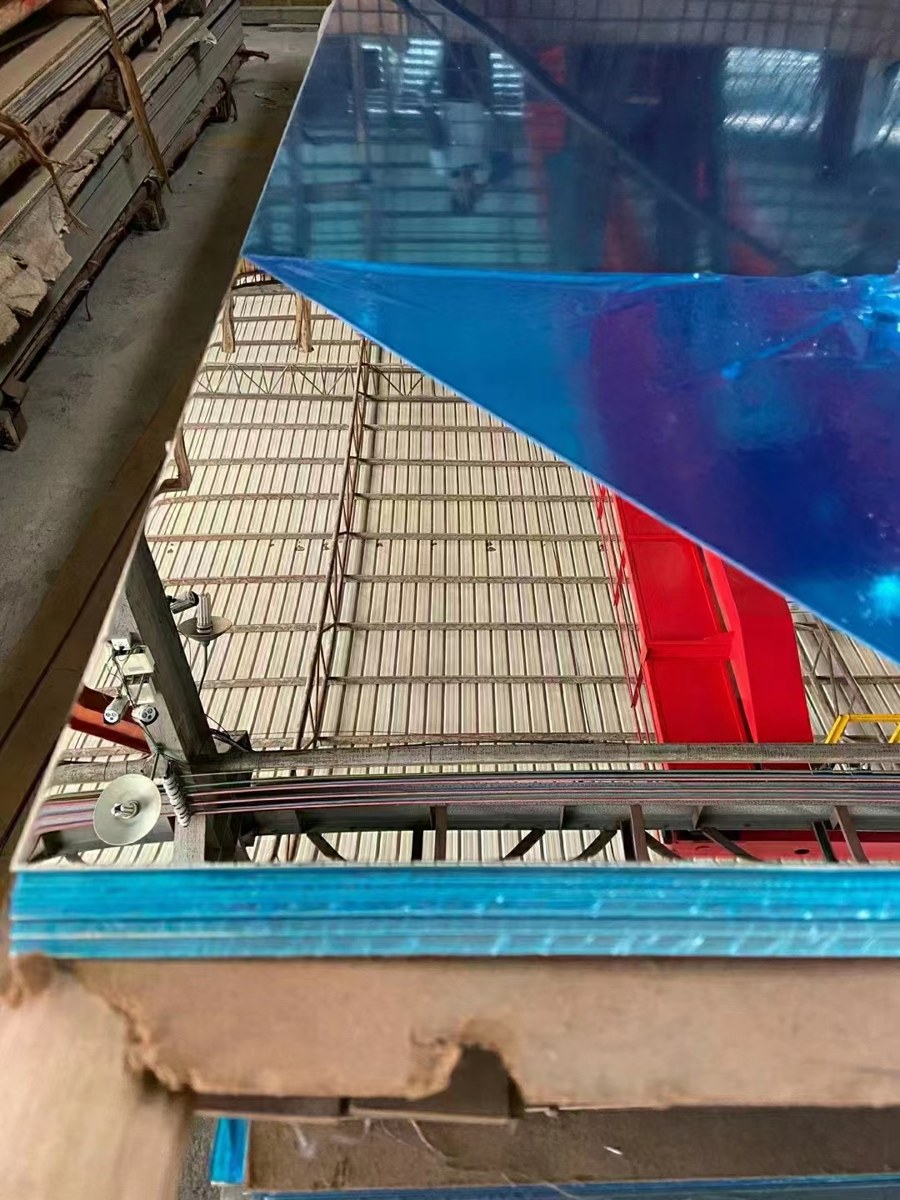
| 2B | Cold rolled dull finish, general purpose, best for bending & stamping |
| BA | Bright annealed, mirror-like for decorative parts |
| NO.1 | Hot rolled & pickled, thick plate for tanks & structures |
| Specification | NO.4 hairline, HL line grain, 8K mirror, satin, embossed (custom available) |
Size Range
| Item | Specification / Description |
|---|
| Cold rolled sheet | 0.3~3.0 mm, tolerance ±0.02~±0.05 mm, standard sheets 1000×2000, 1219×2438 (4×8ft),1500×3000 |
| Hot rolled plate | 3.0~120 mm, tolerance ±0.3~±1.0 mm. Cut-to-size, laser cutting & slitting service available |
Features
- Most popular general-purpose stainless steel. Good resistance to atmosphere, fresh water & weak acid. NOT suitable for chloride / seawater environment (select 316L)
- Excellent formability for deep drawing & bending, good weldability
- Continuous service temperature ≤300℃. Food contact version available with certification
Applications
Food machinery, kitchenware, water tanks, pressure vessels, enclosures, architectural cladding, piping, medical housings, mild chemical equipment
Material Selection Guide
Grade comparison 304: Balanced performance, high volume & cost-effective 316L: Mo added, chloride & seawater resistant, higher price 304L: Low carbon (C≤0.03), better intergranular corrosion resistance after welding 301: High work-hardening for springs & reeds, poorer corrosion resistance